
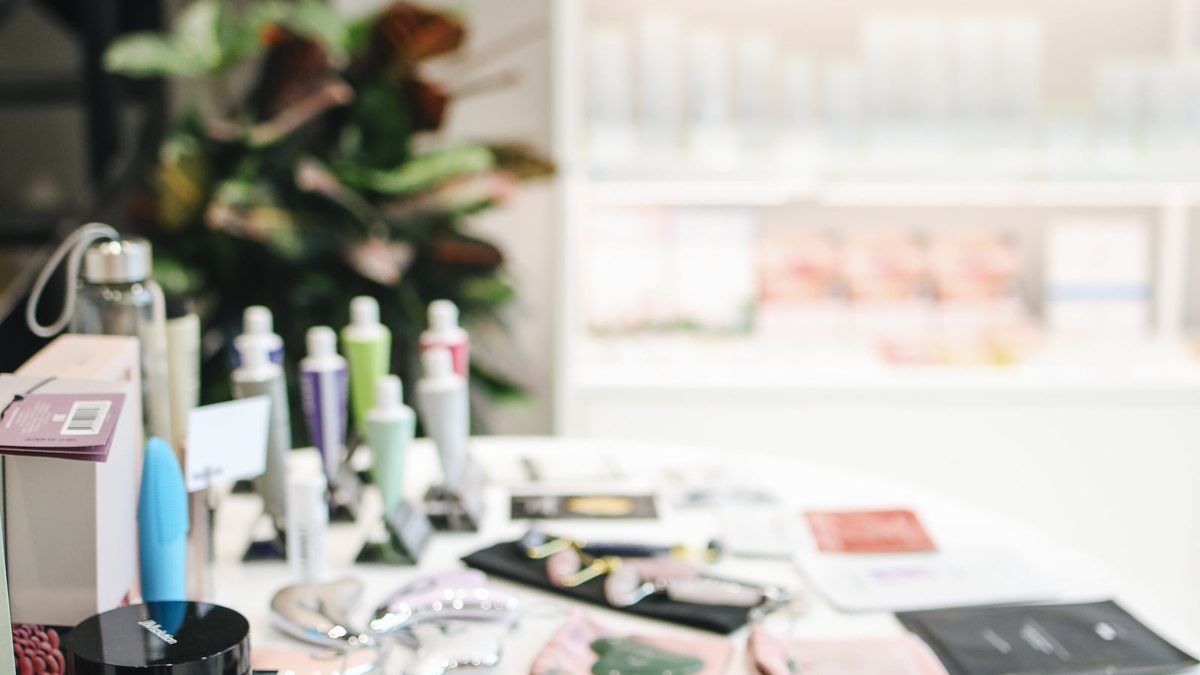
Our highest-margin category. 50-65% net margins on premium Ayurvedic skincare. Lower volume than textiles, but per-unit economics are excellent. The Indian-origin story is real currency in the US clean-beauty market.
The clean-beauty market in the US grew to $11.6B in 2025. Indian origin + Ayurvedic credentials are sought-after differentiators.
"Ayurvedic" is a recognized term in the US wellness category. Buyers actively search for it. Single-ingredient plant-based formulations are trending.
Indian Ayurvedic face oils sell at $25-65 retail. Comparable Western alternatives sell at $35-85. Pricing room exists for premium positioning.
India has WHO-GMP certified Ayurvedic manufacturers in Kerala, Karnataka, Gujarat. FDA-compliant labeling and packaging available.
Beauty buyers care about origin, ingredients, founder story. Indian sellers have authentic stories. Western brands have to manufacture them.
Specific sub-categories that work, with target price points and margin expectations.
Single-ingredient (rosehip, kumkumadi, almond) or blends. 30ml glass bottles with droppers. Clean-beauty positioning.
Bhringraj, amla, coconut, almond. 100ml bottles. Frizz-control and hair-growth claims (carefully worded).
Multani mitti, sandalwood, turmeric powders. Single-use sachets or jars. Mix-with-water dry powder format.
Cold-process, vegan, scented with essential oils. Sets of 3-4 bars. Bath gift-set positioning.
Pure henna powder, indigo blends. For hair coloring or body art. Niche but loyal customer base.
Ashwagandha, turmeric, triphala. Capsules NOT loose powders (US preference). WARNING: requires dietary supplement compliance.
All cosmetics need ingredient lists in INCI nomenclature. 21 CFR Part 701 labeling. Cosmetic Product Notification (MoCRA) since 2024. Get a compliance consultant ($500-1,500 one-time).
You cannot say your product "treats acne", "cures eczema", "prevents wrinkles". These are drug claims and require FDA drug registration. Use language like "supports healthy skin", "moisturizes", "soothes".
If selling Ayurvedic supplements (capsules, tablets), you need DSHEA compliance + manufacturing facility registration + structure/function claims process. Budget $5,000-15,000 in compliance for year 1.
Beauty has the highest Amazon listing-suppression rate. Get your compliance right BEFORE launching, not after a suspension. We have 89% reinstatement rate but prevention is cheaper.
For cosmetics: no pre-approval, but you must register your facility (MoCRA) and comply with 21 CFR 701 labeling. For supplements: yes, full DSHEA compliance. Cosmetics is easier than supplements by far.
No, not as medicines. Ayurvedic products sold as drugs (with treatment claims) require FDA drug registration, which costs $500K+. Sell as cosmetics or supplements with structure/function claims only.
Kumkumadi as cosmetic face oil: fine. Chyawanprash as food supplement: needs DSHEA registration. Both are sellable with the right setup.
MoCRA cosmetics registration: 2-3 weeks. Supplement DSHEA setup: 6-10 weeks. We work with US compliance consultants who handle both for $1,500-5,000 depending on category.
Free 30-minute call. We will tell you honestly if your specific products will work on Amazon USA.
21 steps from idea to first US sale. Free PDF.