
Best Products to Sell on Amazon USA from India in 2026
Choosing the best products to sell on Amazon USA from India is the difference between gold and a graveyard. Not every Indian product works on Amazon USA. Some categories are gold. Others are graveyards. Based on the 12 LLCs we run and $2.14M in 2025 GMV, here are the categories that actually sell, and the ones to avoid.
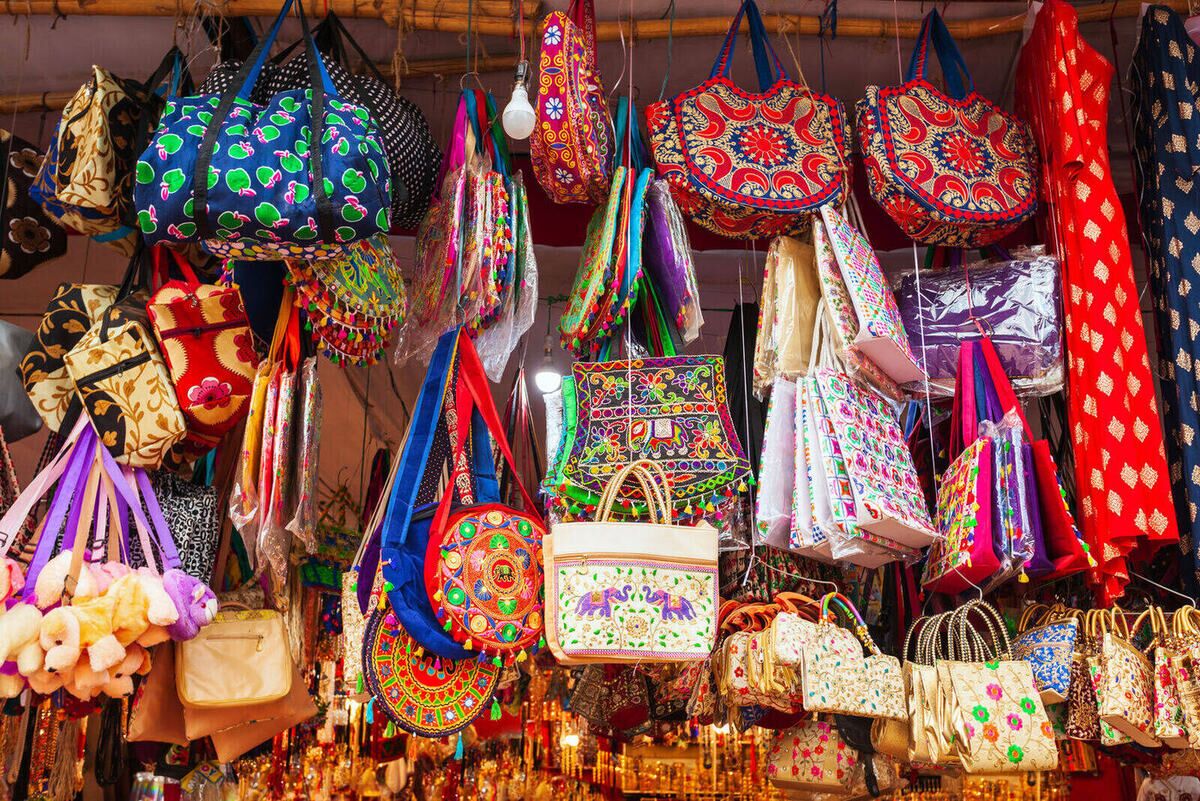
Winners: Home textiles, Beauty/Ayurvedic, Premium kitchenware, Cotton apparel, STEM toys.
Avoid: Generic plastics, Cheap electronics, Mass-market jewelry, Heavy furniture.
Hidden gem: Religious/wellness products with Indian-origin story.
What's in this guide
Home textiles: $1.08M across 4 LLCs
Our biggest category by GMV. Four of our 12 active LLCs sell home textiles. Combined 2025 GMV: $1.08M.
What sells: Bedsheet sets (especially organic cotton, sustainable certifications), towels, throws, cushion covers, bath rugs, table runners.
Why it works for India: India is the world's second-largest cotton producer. The textile manufacturing infrastructure is mature. Quality is high. The Indian-origin story (handloom, fair trade, sustainable cotton) resonates with US buyers willing to pay 30-50% premium over generic Chinese alternatives.
Margin expectations: 35-50% net after Amazon fees, FBA, and freight. Best margins on luxury bedsheets and certified organic.
Volume sweet spot: $40-90 retail per item. Below $30, freight kills margins. Above $120, the audience shrinks fast.
What to watch out for:
- Brand registration is essential. Generic textile listings get hijacked.
- Photography matters more than for any other category. Bad photos = no sales.
- Returns are higher than average (~12%). Plan for reconditioning.
Beauty and Ayurvedic: highest margins
Our highest-margin category. Net margins of 50-65% on premium Ayurvedic skincare. Lower volume than textiles, but the per-unit economics are excellent.
What sells: Face oils (especially turmeric, rose, vitamin C), hair oils, herbal scrubs, ayurvedic supplements (with FDA-compliant labeling), natural soaps, henna.
Why it works: "Ayurvedic" and "Indian origin" are credibility markers in the US wellness market. The clean-beauty trend favors single-ingredient, plant-based formulations.
Critical compliance:
- FDA registration if you make any health claims (cosmetics vs drugs)
- 21 CFR labeling requirements: ingredients in INCI nomenclature
- No claims about treating conditions (acne, eczema, etc.) without drug registration
- Cosmetic Product Notification (MoCRA, mandatory since 2024)
What to watch out for: Beauty has the highest Amazon listing-suppression rate. Get your compliance right BEFORE launching, not after a suspension.
Kitchen and dining
Steady demand, mid-margin category. Two of our LLCs sell kitchenware ($302K GMV combined in 2025).
What sells: Cast-iron cookware (especially heritage brands), copper bottles, stainless serveware, brass utensils for puja/decor, wooden cutting boards, specialty knives.
Why it works: Indian metalwork (brass, copper, cast iron) is unique. Western consumers buying into the "heritage cookware" trend find Indian options attractively priced compared to Le Creuset or Lodge.
Margin expectations: 25-40% net. Lower than textiles because of weight (shipping cost) and category referral fees.
What to watch out for:
- FDA food-contact compliance: any item touching food needs proper certification
- Cast iron is heavy. Air freight is unrealistic. Plan for sea freight only.
- Storage costs are higher for heavy items
Apparel and fashion
Seasonal but high-volume potential. Best for sellers who can manage inventory cycles.
What sells: Ethnic-fusion (kurtas adapted for casual Western wear), cotton basics, kidswear, lounge sets, lightweight scarves, yoga wear.
What does NOT sell well from India: Heavy traditional Indian wedding wear (too niche), fast-fashion knockoffs (China dominates).
Margin expectations: 30-45% net. Returns are highest in this category (15-22%). Reconditioning costs eat margin.
What to watch out for:
- Country of origin labels mandatory (USA, ITAS Act)
- Fabric content labels in English, washable instructions
- CPSIA testing for children's apparel under 12
- Size charts: US sizing only. Indian S/M/L will not work.
STEM and educational toys
Premium pricing category. Indian sellers compete well on quality + price vs. Chinese alternatives.
What sells: Wooden Montessori toys, science kits, math manipulatives, sustainable building blocks, sensory toys for special needs.
Why it works: US parents pay $30-80 for premium educational toys. Indian manufacturing on the wooden/wooden-craft side is high quality.
Critical compliance:
- CPSIA testing required for ALL children's products under age 12
- Lead content limits (under 100 ppm)
- Small parts warning labels for toys for children under 3
- ASTM F963 testing
Plan budget: $500-2,000 in compliance testing per product, ONE TIME. Worth it for the unlocked category access.
Categories to avoid
Some categories sound good but rarely work for Indian sellers. The math does not pencil out.
Avoid:
- Generic plastic goods: Phone cases, kitchen gadgets, etc. China has 5-10x shipping cost advantage. You will never compete.
- Cheap electronics: Power banks, cables, chargers. Brand-protected categories (Anker, etc.) own the buy box. Low margin on the rest.
- Mass-market jewelry: Cheap fashion jewelry has 200+ low-price competitors. Premium silver/gold needs huge marketing budget.
- Heavy furniture: Sea freight for one piece of furniture is $80-150. The margin math does not work.
- Mass-market spices: Customs hassles, short shelf life, organic certifications expensive. Niche spices in premium packaging CAN work, mass-market does not.
How to validate before launching
Before committing to a category, validate with three checks:
Check 1: Best Seller Rank (BSR) analysis. Search your product category on Amazon. Look at the top 5 listings. Check their BSR. If they are all above 100,000 (in their main category), the niche is too small. You want BSR under 50,000.
Check 2: Price range check. If the top sellers are all under $20, the math will not work after FBA + freight + Amazon referral fees. You need a $30+ price point typically.
Check 3: Review count check. If the top listings have 5,000+ reviews, you are competing with 5+ year-old listings that have huge review moats. Look for niches where top sellers have 100-1,000 reviews. That is enterable.
Tools to use: Helium 10, Jungle Scout, or just manual research on amazon.com. Most claim ~85% accuracy on US BSR-to-sales estimates.
Want help validating your specific products? Book a free 30-minute product feasibility call. We will tell you honestly if your category works.
A framework for choosing, not just a list
Lists of "best products" are useful as inspiration but dangerous as instructions, because by the time a product appears on a public best-sellers list, the opportunity is often already crowded. Far more valuable than any list is a framework you can apply to any product idea. The strongest candidates for an Indian seller consistently satisfy four conditions at once: India holds a genuine manufacturing advantage in the category, so your landed cost beats competitors'; the product sells at a price point high enough to absorb Amazon's roughly 35-40% in fees and still leave margin; the product is compact and light enough that freight from India does not erode that margin; and the category is free of heavy regulatory barriers like FDA, CPSC, or FCC requirements, at least for a first launch. A product that clears all four is a real opportunity regardless of whether it appears on any trending list.
Run any idea through those four filters honestly and most will fail at least one, which is exactly the point: the framework saves you from importing a container of something that looked appealing but could never have been profitable. It also points you toward the quieter, less crowded opportunities that lists miss, the products where India's edge is real but the category has not been flooded by every seller chasing the same trend.
Start from your manufacturing strength, not the trend
The most reliable path to a winning product, particularly for a manufacturer, is to start from what you already make well rather than from what is trending. A seller who chases a viral product into a category they have no supply-chain advantage in is competing on someone else's terms, with no cost edge and against established players. A manufacturer who builds a brand around their existing strength, the textiles, cookware, beauty, or handicrafts they already produce at a real cost advantage, starts with the single most important lever already in hand: a landed cost competitors cannot match. The product may be less glamorous than the latest social-media sensation, but the unit economics are sustainable, which is what actually builds a business.
This reframes product selection from "what is hot right now" to "where is my structural advantage, and what does the US market want within it." For an Indian manufacturer, those two questions usually have a clear, profitable answer, one that a generic best-products list, written for everyone and tailored to no one, can never provide. The verified pattern across successful Indian sellers is the same: they win by deepening into what India makes better than anyone, not by jumping onto whatever briefly trended.
\nOnce you have picked a product, our private label and branding service turns it into a protected brand on Amazon USA.
Want this handled for you? See invest in tested products.